
Understanding Asset Freeze and Blocked Funds: Implications and Legal Strategies
In an increasingly interconnected world, issues surrounding Asset Freeze & Blocked Funds Release OFAC Lawyers and blocked funds have become more prevalent. Governments and international organizations often implement these measures to comply with sanctions or address concerns related to illegal activities. Understanding the intricacies of asset freezes—what they entail, their underlying reasons, and the potential repercussions—can prepare individuals and organizations to better navigate these complex legal waters.
What is an Asset Freeze?
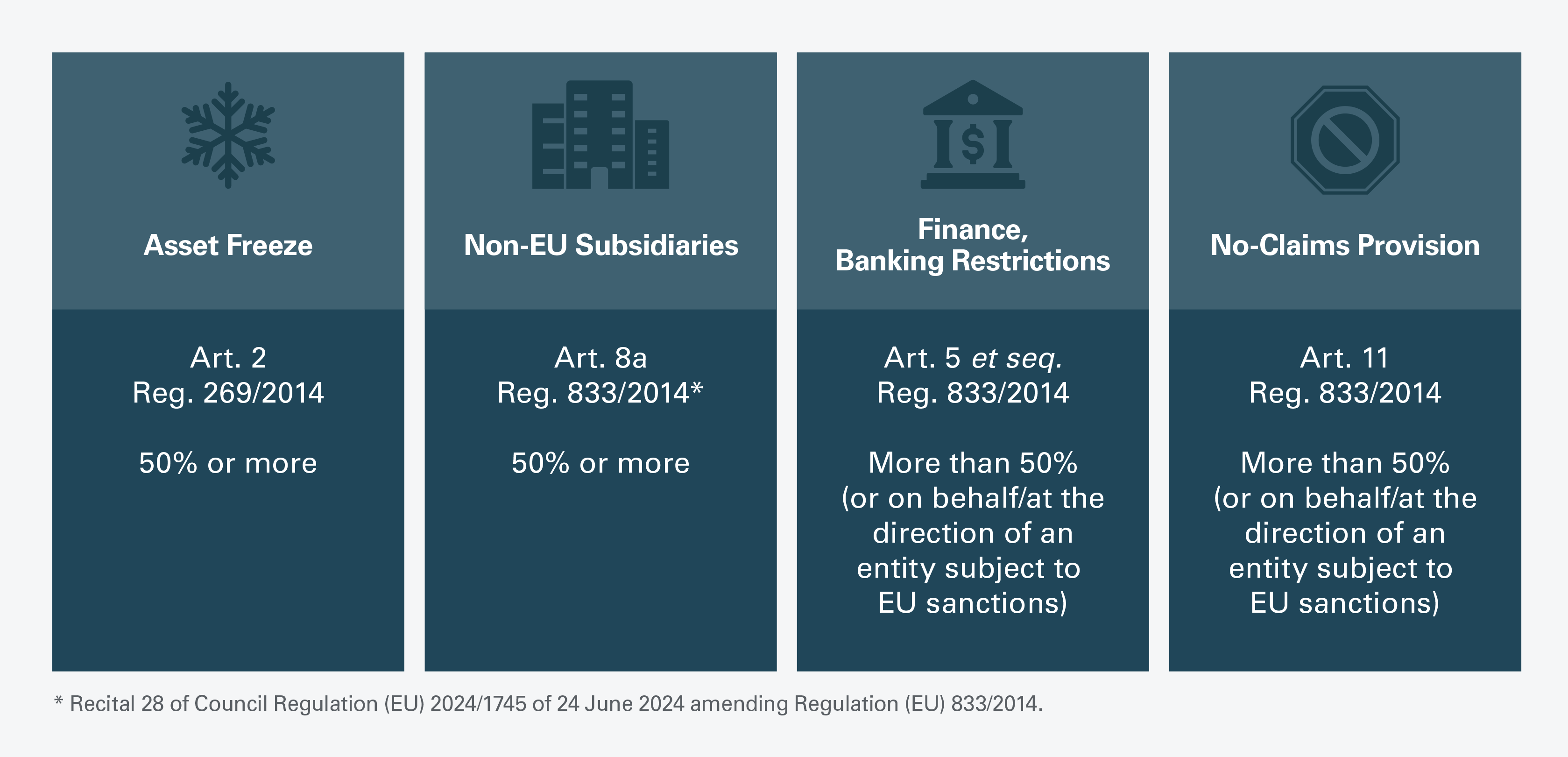
An asset freeze is a legal measure imposed by governments or international bodies that prevents a designated individual, organization, or entity from accessing their financial resources. This action can be taken in various contexts, including allegations of terrorism, money laundering, human rights violations, or non-compliance with international sanctions.
Reasons for Asset Freezes
Asset freezes are often applied in response to specific behaviors or activities deemed detrimental to national or international security. Common reasons include:
- National Security Concerns: Governments may freeze the assets of individuals or groups considered threats to public safety or national interests.
- Financial Crimes: Allegations of money laundering, fraud, or corruption can trigger an asset freeze while investigations are ongoing.
- Sanctions Compliance: Countries often impose sanctions on nations or individuals. Asset freezes are a way to enforce compliance with these sanctions.
The Process of Implementing an Asset Freeze
The process and legal framework governing asset freezes can vary significantly by jurisdiction. The following are common steps associated with the implementation of an asset freeze:
- Designation: An individual or entity is officially designated under relevant sanctions laws.
- Notification: Designated individuals or entities are usually notified about the asset freeze, although this may not always be the case immediately.
- Enforcement: Financial institutions and other organizations are required to comply with the freeze, preventing any transactions involving the designated assets.
- Review and Appeal: In some cases, affected parties may have the right to challenge the asset freeze through administrative or judicial processes.
Consequences of Asset Freezes
The implications of having assets frozen can be profound and multifaceted. Individuals and organizations facing asset freezes often experience:
- Financial Hardship: Access to funds is restricted, impacting daily operations for businesses and individuals alike.
- Legal Complications: Navigating the legal aspects of an asset freeze can be complex, requiring expert legal counsel.
- Reputational Damage: Being associated with an asset freeze can tarnish an individual’s or organization’s reputation.
Blocked Funds: A Related Issue
Blocked funds refer to financial resources that cannot be accessed or utilized due to legal restrictions. This situation often arises alongside asset freezes and can affect the same individuals or entities.
Differences Between Asset Freeze and Blocked Funds
While asset freezes and blocked funds may appear synonymous, they can differ in terms of scope and application:
- Scope: Asset freezes usually apply to specific assets, while blocked funds may involve broader financial restrictions.
- Regulatory Framework: Asset freezes are often enacted under specific sanctions legislation, whereas blocked funds may arise from various regulatory actions.
Legal Strategies for Navigating Asset Freezes and Blocked Funds
Dealing with asset freezes and blocked funds requires a strategic approach. Here are some recommended legal strategies:
- Seek Expert Legal Counsel: Engaging with attorneys who specialize in sanctions law can provide a clear understanding of legal rights and options.
- Conduct a Comprehensive Review: Assessing the implications of the asset freeze or blocked funds is crucial for developing a response strategy.
- Explore Legal Remedies: Depending on the jurisdiction, there may be avenues for challenging the asset freeze or negotiating a resolution.
Conclusion
Asset freezes and blocked funds represent significant challenges within the realm of financial regulation and compliance. Understanding the reasons, processes, implications, and legal strategies surrounding these issues empowers individuals and organizations to navigate complex legal landscapes effectively. Always consider consulting with a qualified attorney to guide you through these challenging waters as circumstances can frequently change.