International Human Rights Litigation: Navigating the ECHR
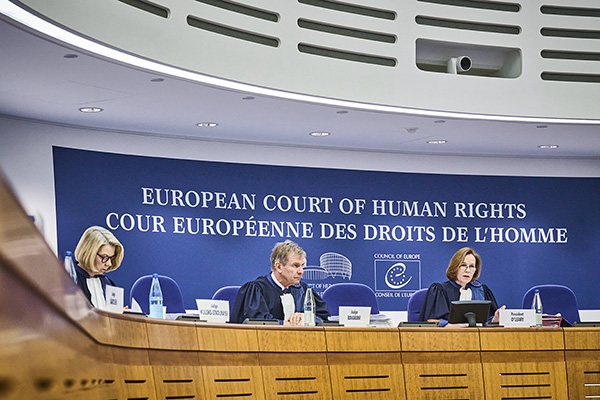
The landscape of international human rights litigation has evolved significantly over the past few decades, becoming an essential tool for individuals and groups seeking justice against violations of their fundamental rights. Central to this process is the European Court of Human Rights (ECHR), which provides a framework for holding states accountable for breaches of the European Convention on Human Rights (ECHR). This article aims to provide an in-depth understanding of international human rights litigation, focusing on the ECHR’s role, processes, challenges, and implications for victims of human rights abuses. For more details, visit International Human Rights Litigation (ECHR / UN) International Human Rights Litigation (ECHR / UN).
Understanding the ECHR
The ECHR, established in 1959 by the Council of Europe, serves as a guardian of human rights in Europe. The Court’s jurisdiction extends to 47 member states, collectively committed to uphold the principles of the European Convention on Human Rights. The Convention outlines a broad range of civil and political rights, including the right to life, prohibition of torture, and the right to fair trial, among others. The ECHR acts as a final arbiter in disputes between individuals and states concerning the interpretation and application of the Convention.
The Process of Bringing a Case to the ECHR
To bring a case before the ECHR, applicants must first exhaust all domestic remedies, meaning they must seek redress through national courts before approaching the international level. This requirement ensures that states have the opportunity to remedy potential violations within their legal frameworks. Once domestic remedies are exhausted, applicants may lodge a complaint with the ECHR, which will determine whether the case is admissible based on a series of criteria, including the timeliness of the application and whether it addresses a significant issue of human rights violation.
Admissibility Criteria
The ECHR employs rigorous admissibility criteria. The Court will reject cases that are deemed inadmissible, and applicants are often left without recourse if their application does not meet these standards. The critical elements of admissibility include:
- Exhaustion of domestic remedies: Applicants must demonstrate that they sought all available legal recourse within their country.
- Timeliness: Applications must be submitted within six months of the final domestic decision.
- Non-duplicate: The Court will not accept cases that have already been considered by the ECHR or cases that are substantially the same as one previously decided.
- Significance: The issue presented in the application must raise a significant question of human rights, warranting examination by the Court.
Case Law and Precedents
Over the years, the ECHR has established a substantial body of case law that has shaped the interpretation of human rights in member states. Landmark cases, such as Handyside v. United Kingdom and Dudgeon v. United Kingdom, have set important precedents for freedom of expression and privacy rights. These decisions not only influence the legal frameworks of individual countries but also reflect evolving societal values regarding fundamental rights.
Impact of ECHR Rulings
The rulings of the ECHR have significant implications for member states and their legal systems. National governments are required to comply with the Court’s judgments, which may lead to systemic changes in laws and practices. For example, a ruling recognizing the failure of a state to protect certain rights can result in legislative reforms to align domestic laws with the ECHR’s standards. Additionally, these judgments often serve as a catalyst for broader societal changes, fostering a culture of human rights and accountability.
Challenges in International Human Rights Litigation
Despite the ECHR’s vital role in promoting human rights, challenges remain. One significant issue is the backlog of cases pending before the Court due to the high volume of applications. This backlog can lead to delays in justice for victims seeking redress. Furthermore, while the ECHR has the power to issue binding judgments, enforcement of its decisions relies heavily on the willingness of member states to comply, which can vary significantly based on political will and domestic legal frameworks.
Conclusion: The Future of Human Rights Litigation
The ECHR remains a cornerstone of international human rights litigation in Europe, providing a crucial avenue for individuals to seek justice against violations. As societal values evolve, the Court’s role in interpreting and enforcing human rights will undoubtedly adapt. Continuous efforts to address the challenges of backlog and compliance are essential to enhance the Court’s effectiveness and ensure that it can fulfill its mission of protecting human rights for all individuals within its jurisdiction. Ultimately, the landscape of international human rights litigation, anchored by the ECHR, will continue to play a pivotal role in the global struggle for justice and accountability.